Back to the Cottage mentioned in latest FFC programme
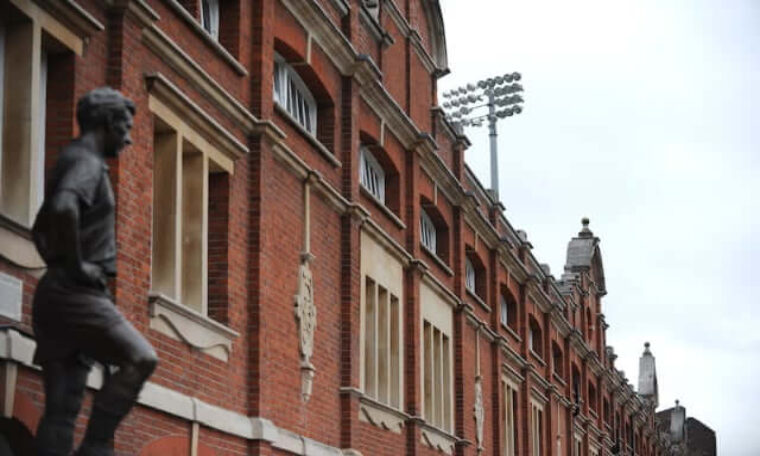
Opening the recent matchday programme for our home game against Aston Villa and we spotted some familiar pictures and stories as we spotted the words of John Burns, a member of Back to the Cottage, who shared his memories of the journey over the period when Fulham ground shared with Queens Park Rangers and the supporter-led work that ensured our return to our historic ground.
The article is shared below with the permission of Fulham FC.
Most fans know the Fulham Supporters’ Trust and the role it plays. But do they know how – and why – it came about?
Its roots lie in a series of events that once threatened Fulham’s very existence. It really was that serious. Supporters were being given no say, and many feared history might repeat itself.
Back in 1986, during the close season, I wandered past Craven Cottage and noticed it was being boarded up. To my horror, I discovered it was set to be demolished for housing. Had we been sold down the river, Brighton-style? Were Fulham to be cast out, with the Cottage gone for good?
Fans reacted quickly. Phone calls were made – including to the Chair of Hammersmith & Fulham’s Planning Committee – and the demolition was halted. Word spread rapidly and supporters mobilised. Demonstrations followed, culminating in a pitch invasion of more than 4,000 fans, alongside the local MP, during a 2-2 draw with Walsall.
Speculators had already begun circling. At one point, a chairman was imposed with a plan to merge Fulham with QPR. In total, three developers had a go at dismantling the Club. What we needed was leadership, and we found it in Jimmy Hill. Not all of his methods were universally popular, but he was a passionate Fulham man who gave us direction and resolve. With the support of his board, Hammersmith & Fulham Council, and a downturn in the property market, the Club survived – and crucially, stayed at the Cottage.
Fast forward 15 years to 2001. Mohamed Al Fayed, our new benefactor, had taken Fulham to the top flight and now proposed redeveloping Craven Cottage to meet modern seating requirements. The plans looked ambitious and exciting. But they came with a catch: we would have to move out temporarily.
At first, supporters bought into it. We saw the designs, the model – even the now-infamous ‘spaceship’ – and Loftus Road was offered as a short-term home. It felt like a necessary step forward. But, as plans developed, timelines began to shift, and complexities emerged. Fans, along with local groups including the Fulham Society, took a close interest in how the redevelopment might unfold and what it would mean for the long-term future of the Club at Craven Cottage.
If supporters were to play a role in that conversation, it would have to come from within. Ahead of the Manchester United game on 19th October 2002, an email was circulated under the title: “If you care, read this.” The response was immediate and significant, bringing together a wide group of like-minded fans.
‘A proposed redevelopment of the Cottage came with a catch: we would have to move out temporarily.’
Through the Fulham Supporters’ Club, a committee was formed to represent fans on the issue. Its aim was clear: to support the Club’s long- term future at Craven Cottage. From that, the ‘Back to the Cottage’ campaign was born.
What started as a small group quickly grew into a movement of around 4,000 active supporters, backed by many more season-ticket holders. There was a strong sense of unity, with a shared focus on ensuring Fulham remained closely connected to its historic home.
The campaign organised, educated and engaged. Early efforts focused on meetings and leafleting, many held at the Hammersmith Society Rooms. As momentum grew, so too did the scale of activity, with marches, demonstrations and creative ways of raising awareness. Support extended beyond the fanbase. Politicians, community groups and supporters from other clubs all took an interest. There was even a meeting at Motspur Park attended by the Club’s owner, reflecting the importance of the dialogue taking place.
Supporters Direct, who had experience of fan-led initiatives across the country, played an important role in guiding the group. Their involvement would eventually help lead to the formation of the Fulham Supporters’ Trust.
At Old Trafford, Fulham supporters joined Manchester United fans in raising concerns about wider issues in the game, adding their own message to a national audience. There were also moments of tension, such as a march from Stamford Bridge to the Cottage, although these were generally outweighed by the positive and determined spirit of the campaign.
One of the most memorable events came in May 2003, when supporters organised a Thames flotilla to Charlton. After making their way along the river, fans marched with several Fulham legends from Greenwich to The Valley. Even in defeat, the effort drew warm recognition from Charlton supporters.
The wider football landscape also provided context.
Other clubs had faced extended periods away A from their traditional homes, and their experiences highlighted the importance of maintaining a strong connection between a club and its ground.
The campaign itself became both visible and inventive. Protest marches often carried themes, combining humour with a serious message. At Loftus Road, during a game against Middlesbrough in January 2003, a supporter dressed as an Egyptian mummy was bound to a corner flag in a light- hearted but pointed display. On another occasion, a Fulham Flutter winner made a memorable appeal over the microphone, urging: “Chairman Mo, take us home.”
Behind the scenes, the situation remained complex.
Craven Cottage’s location made it a unique and valuable site, and there were many factors to consider within the redevelopment process. Supporters responded by engaging closely with the detail, seeking to better understand proposals and contribute constructively to the wider conversation.
‘It was a long, hard-fought struggle, driven by supporters who refused to accept the loss of their Club’s home.’
Hammersmith & Fulham Council reaffirmed its longstanding position in support of maintaining football within the borough, while the Cottage’s listed status and heritage added further weight to its significance. As the late Derry Quigley memorably described it, the ground felt “de facto consecrated” – a place of deep importance to generations of supporters.
Momentum continued to build. Former players, including Johnny Haynes, spoke of the importance of Craven Cottage, while media coverage and supporter publications helped keep the issue in the spotlight. The conversation even reached City Hall, where a conference on London’s football clubs and their grounds was held under Mayor Ken Livingstone.
Meanwhile, Craven Cottage itself remained unused. With no obvious alternative site within the borough, and Loftus Road presenting practical limitations as a longer-term solution, attention increasingly turned towards how a return might be achieved. Supporters explored potential solutions, including the installation of seating to meet requirements, drawing inspiration from initiatives at other clubs. It was a significant collective effort, reflecting both creativity and commitment.
In time, circumstances began to align. Planning challenges, practical considerations and wider factors all played a part in shaping the next steps. The shared objective of returning Fulham to Craven Cottage gathered momentum.
Ahead of the 2004/05 season, the ground was brought back into use. Temporary stands were installed, seating requirements were met, and Fulham returned home. The ‘Back to the Cottage’ campaign played a crucial role in that outcome. It was a long, hard-fought struggle, driven by supporters who refused to accept the loss of their Club’s home.
From that movement came something lasting: a stronger, more organised fanbase, and ultimately the formation of the Fulham Supporters’ Trust. Without that fight, Fulham’s story might have been very different.
Do you have memories of the Back to the Cottage campaign? Get in touch and tell us yours. You can read more about the formation of the Fulham Supporters’ Trust by clicking here.